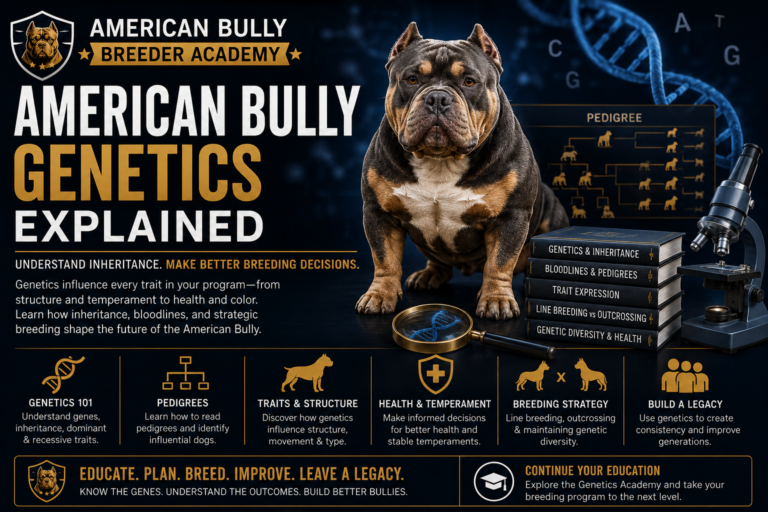
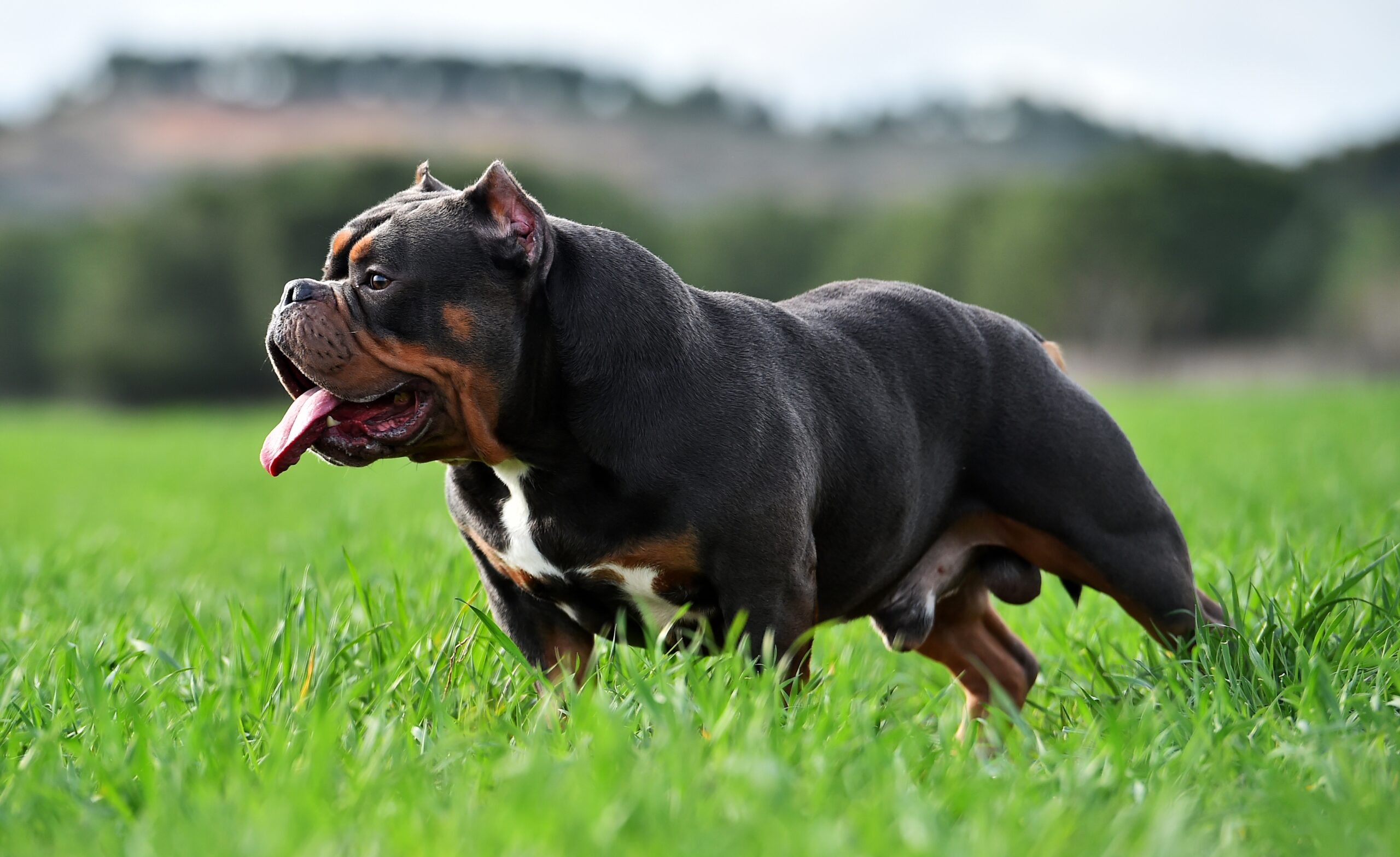
The American Bully is known for its powerful build, muscular frame, and balanced proportions. While training and nutrition contribute to a dog’s development, the foundation of these physical traits begins with genetics.
Genetics play a major role in shaping the structural characteristics that define the American Bully. From head size to bone density, many of the features that give the breed its distinctive appearance are inherited through carefully managed bloodlines.
Understanding how genetics influence structure helps breeders preserve the qualities that define the American Bully while maintaining the health and balance of the breed.
To explore the broader role genetics play in breeding decisions, see:
👉 The Role of Genetics in American Bully Breeding: Understanding Bloodlines
The Genetic Foundation of Structure
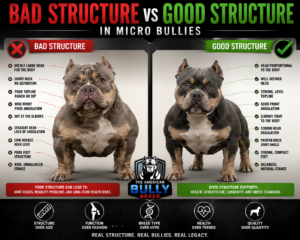
A dog’s structure refers to the physical framework of its body. This includes skeletal proportions, muscular development, and overall balance.
In the American Bully, structural traits influenced by genetics include:
- skull width and head shape
- chest depth and rib cage development
- bone density
- shoulder and hip alignment
- body proportions
These traits are passed through generations of selective breeding.
Breeders analyze pedigrees and bloodlines to predict how these characteristics will appear in future puppies.
For a deeper explanation of how bloodlines influence these traits, see:
👉 American Bully Bloodlines Explained: What They Actually Mean
Head Structure and Genetics
One of the most recognizable traits of the American Bully is its broad, powerful head.
Genetic inheritance plays a major role in determining:
- skull width
- muzzle length
- cheek muscle development
- jaw strength
When breeders evaluate potential breeding pairs, they often study multiple generations to see how head structure appears within the bloodline.
Consistent head structure across generations is often a sign of stable genetics within a breeding program.
Chest Development and Bone Density
The American Bully’s wide chest and heavy bone structure are also strongly influenced by genetics.
These traits contribute to the breed’s powerful and compact appearance.
Structural traits influenced by genetics include:
- rib cage width
- chest depth
- front leg bone density
- overall muscular distribution
Breeders study pedigrees carefully to identify bloodlines that consistently produce strong structural balance.
Understanding how these traits appear across generations helps breeders maintain the defining characteristics of the breed.
Body Proportions and Balance
Balanced body proportions are essential to the American Bully’s appearance and movement.
Genetics influence the relationship between several structural elements, including:
- body length
- shoulder placement
- rear angulation
- muscle distribution
When these elements are proportionate, the dog maintains both strength and mobility.
To understand how these proportions align with the breed’s official expectations, see:
👉 The American Bully Breed Standard Explained
Breed standards help guide breeders in maintaining structural balance across generations.
Genetics and Movement
Movement often reveals whether a dog’s structure is balanced.
The American Bully should move with:
- smooth gait
- balanced stride
- strong drive from the rear
When structure is genetically sound, movement typically appears natural and coordinated.
Breeders evaluate movement carefully when selecting breeding pairs, as structural imbalances can affect mobility.
The Role of Pedigrees in Structural Prediction
Pedigrees help breeders understand how structural traits appear across multiple generations.
By studying pedigree charts, breeders can evaluate:
- recurring structural characteristics
- influential ancestors
- trait inheritance patterns
Pedigrees allow breeders to predict how traits such as head structure, chest width, and bone density may appear in future offspring.
To learn more about how pedigrees are interpreted, read:
👉 Understanding American Bully Pedigrees
Structure, Health, and Responsible Breeding
Responsible breeding focuses on more than appearance. Structural balance is important because it affects the long-term health and mobility of the dog.
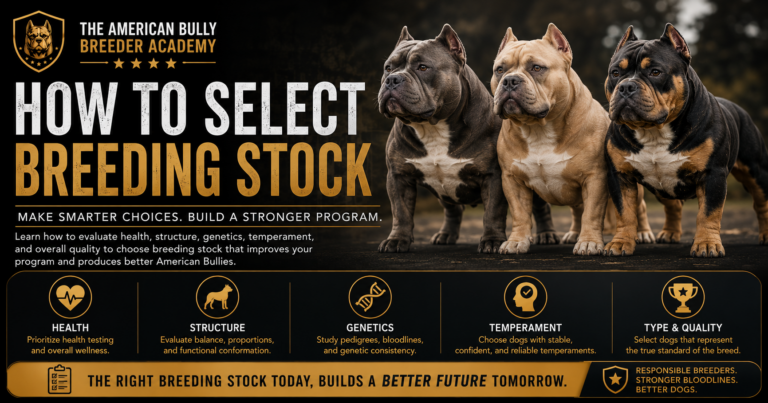
Breeding decisions should prioritize:
- balanced body proportions
- strong skeletal structure
- healthy movement
- stable temperament
When breeders maintain these priorities, the American Bully continues to develop as a powerful yet balanced companion breed.
For additional guidance on maintaining canine health and structure, see:
👉 Dog Health and Wellness Fundamentals
Final Thoughts
The distinctive structure of the American Bully is the result of careful genetic selection over multiple generations.
Through responsible breeding practices, breeders study bloodlines, pedigrees, and structural traits to maintain the balance and strength that define the breed.
Genetics form the foundation that shapes the American Bully’s powerful appearance, while responsible breeding ensures these traits remain healthy and sustainable for the future.
FAQ Section
What determines American Bully structure?
American Bully structure is influenced primarily by genetics, including traits such as head shape, chest width, bone density, and body proportions.
Do bloodlines affect American Bully structure?
Yes. Bloodlines play a major role in determining structural traits because genetic traits are passed through generations.
Why is structure important in the American Bully?
Correct structure helps maintain balance, mobility, and overall health while preserving the breed’s distinctive appearance.
Can structure be predicted through pedigrees?
Pedigrees allow breeders to evaluate genetic patterns and estimate how structural traits may appear in future generations.
💬
“Not all American Bullies are bred the same. See what proper structure, pedigree, and responsible breeding look like in real-world examples.”
View Real Micro Bully Examples
Navigation Footer
American Bully Genetics and Bloodlines
The Role of Genetics in American Bully Breeding
American Bully Bloodlines Explained
Line Breeding vs Outcrossing in the American Bully
Understanding American Bully Pedigrees
Breed Structure Resources
The American Bully Breed Standard Explained
How Genetics Influence American Bully Structure