Responsible breeding within the American Bully community requires a deep understanding of genetics, pedigrees, and long-term breed preservation. Two breeding strategies commonly discussed among breeders are line breeding and outcrossing.
Both approaches influence how traits such as structure, temperament, and consistency develop within a bloodline. Understanding the difference between these methods helps enthusiasts and breeders appreciate how responsible breeding programs maintain the integrity of the American Bully.
To understand the broader genetic principles behind these methods, see:
👉 The Role of Genetics in American Bully Breeding: Understanding Bloodlines
What Is Line Breeding?
Line breeding is a selective breeding method where dogs that share a common ancestor are paired in order to reinforce desirable traits.
The goal of line breeding is consistency. By concentrating the genetics of a proven ancestor within a pedigree, breeders attempt to maintain traits that have proven reliable across generations.
These traits may include:
- strong head structure
- wide chest development
- heavy bone density
- balanced proportions
- stable temperament
When done responsibly, line breeding can help stabilize the characteristics that define a bloodline.
However, line breeding requires careful analysis of pedigrees and genetic compatibility.
For a deeper look at how bloodlines are evaluated, see:
👉 American Bully Bloodlines Explained: What They Actually Mean
The Purpose of Line Breeding
The primary goal of line breeding is to reinforce proven genetic traits.
When an influential dog appears multiple times within a pedigree, its genetic influence becomes more predictable in future generations.
Breeders may use line breeding to maintain:
- recognizable head type
- chest width and structure
- muscular development
- predictable temperament
When carefully planned, line breeding can help maintain the defining features of a bloodline.
However, because line breeding concentrates genetics, it must be approached with knowledge and responsibility.
What Is Outcrossing?
Outcrossing is the practice of breeding two dogs that are not closely related genetically.
This method introduces new genetic material into a bloodline and can help increase genetic diversity.
Breeders may choose to outcross when they want to:
- improve structural balance
- strengthen movement
- reduce genetic weaknesses
- increase overall vitality
Outcrossing can introduce new strengths into a breeding program while maintaining the overall identity of the breed.
Balancing Consistency and Diversity
Both line breeding and outcrossing serve important roles in responsible breeding programs.
Line breeding helps maintain consistency within a bloodline, while outcrossing helps maintain genetic diversity.
When used together thoughtfully, these approaches can support both structural consistency and long-term health.
Understanding how genetics influence these outcomes is essential for responsible breeding.
To learn more about how genetics influence physical structure, see:
👉 How Genetics Influence American Bully Structure
Pedigrees and Breeding Decisions
Pedigrees play an important role in determining whether line breeding or outcrossing may be appropriate.
Breeders analyze pedigrees to evaluate:
- common ancestors
- trait inheritance patterns
- health history
- structural consistency
By studying multiple generations, breeders can better predict how traits may appear in future offspring.
For a deeper explanation of how pedigree analysis works, see:
👉 Understanding American Bully Pedigrees
Maintaining the American Bully Breed Standard
Regardless of breeding method, responsible breeders must always prioritize the structural expectations defined by the breed standard.
This includes maintaining:
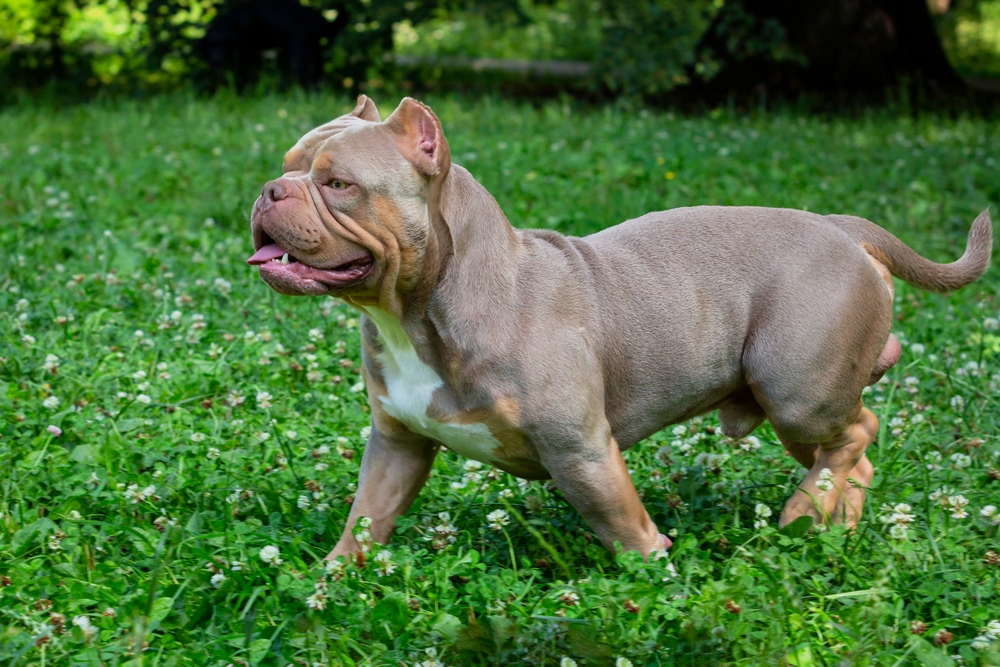
- balanced body proportions
- proper head structure
- strong bone density
- confident movement
Breeding decisions should always support these foundational qualities.
To explore the structural expectations that define the breed, read:
👉 The American Bully Breed Standard Explained
Responsible Breeding Practices
Line breeding and outcrossing are tools that breeders use to maintain the long-term integrity of the American Bully.
Responsible breeding programs evaluate multiple factors before pairing dogs, including:
- genetic compatibility
- structural balance
- temperament stability
- pedigree history
The goal is not simply to produce visually impressive dogs but to preserve the characteristics that define the breed.
Final Thoughts
Both line breeding and outcrossing play a role in responsible American Bully breeding. While line breeding helps maintain consistency within bloodlines, outcrossing can introduce genetic diversity that strengthens long-term health and structure.
Understanding how these methods work provides insight into the science behind breeding decisions and the preservation of the American Bully breed.
By combining careful pedigree analysis with responsible genetic selection, breeders help ensure the American Bully continues to develop as a confident, balanced companion breed.
💬
“Not all American Bullies are bred the same. See what proper structure, pedigree, and responsible breeding look like in real-world examples.”
View Real Micro Bully Examples
Navigation Footer
American Bully Genetics and Bloodlines
The Role of Genetics in American Bully Breeding
American Bully Bloodlines Explained
Line Breeding vs Outcrossing in the American Bully
Understanding American Bully Pedigrees
Breed Structure Resources
The American Bully Breed Standard Explained
How Genetics Influence American Bully Structure