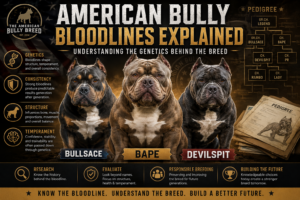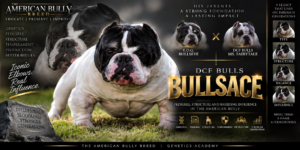

Genetics play a central role in shaping the American Bully breed. While bloodlines and pedigree consistency are important for maintaining recognizable traits, long-term breed health also depends on maintaining genetic diversity.
Genetic diversity refers to the range of genetic variation present within a breeding population. When a breed maintains healthy diversity, it reduces the risk of inherited health issues while preserving structural balance and temperament.
Responsible breeders carefully balance bloodline consistency with genetic diversity in order to protect the long-term future of the American Bully.
To understand how genetics influence breeding decisions and bloodlines across generations, see:
👉 The Role of Genetics in American Bully Breeding: Understanding Bloodlines
What Is Genetic Diversity?
Genetic diversity refers to the variety of genetic material within a population of dogs.
In breeding, diversity helps maintain:
- strong immune systems
- structural balance
- healthy reproduction
- stable temperament
When a breeding population becomes too genetically similar, the risk of inherited health conditions can increase.
Maintaining diversity allows breeders to preserve the strength and stability of the breed over time.
Why Genetic Diversity Matters in the American Bully
The American Bully is a relatively young breed compared to many traditional dog breeds. As a result, responsible breeding practices are especially important for maintaining long-term breed health.
When breeding programs rely too heavily on a small group of bloodlines, the gene pool can become limited.
A limited gene pool may increase the likelihood of:
- inherited health conditions
- structural imbalances
- reduced vitality in future generations
By maintaining genetic diversity, breeders help ensure that the American Bully continues to develop as a healthy and stable companion breed.
Balancing Bloodlines and Diversity
While genetic diversity is important, breeders must also maintain the structural qualities that define the American Bully.
These qualities include:
- broad head structure
- strong chest development
- heavy bone density
- balanced body proportions
Responsible breeding programs balance two key goals:
- preserving recognizable breed characteristics
- maintaining genetic diversity within the population
Bloodlines provide consistency, while diversity helps maintain health and stability.
To learn more about how bloodlines influence these traits, see:
👉 American Bully Bloodlines Explained: What They Actually Mean
The Role of Outcrossing
One way breeders maintain genetic diversity is through outcrossing.
Outcrossing involves breeding dogs that are not closely related genetically. This introduces new genetic material into a bloodline and helps strengthen the gene pool.
Outcrossing may help:
- improve structural balance
- reduce inherited weaknesses
- increase genetic variety
- strengthen overall vitality
Responsible breeders evaluate pedigrees carefully before introducing new bloodlines.
To understand how breeders balance line breeding and outcrossing, see:
👉 Line Breeding vs Outcrossing in the American Bully
Pedigree Analysis and Genetic Planning
Pedigrees play an important role in maintaining genetic diversity.
By studying pedigrees across several generations, breeders can identify:
- common ancestors
- recurring structural traits
- genetic compatibility between breeding pairs
Pedigree analysis helps breeders avoid excessive genetic concentration while still preserving desirable characteristics.
For a deeper look at how pedigrees guide breeding decisions, see:
👉 Understanding American Bully Pedigrees
Structure and Breed Preservation
Maintaining genetic diversity does not mean abandoning breed standards. Responsible breeders must still prioritize the structural characteristics that define the American Bully.
These structural qualities include:
- balanced body proportions
- muscular development
- strong bone density
- confident movement
The breed standard provides guidance for maintaining these characteristics across generations.
To explore the structural expectations of the breed, read:
👉 The American Bully Breed Standard Explained
Long-Term Breed Sustainability
Genetic diversity plays a critical role in preserving the American Bully for future generations.
Responsible breeding programs consider both short-term goals and long-term sustainability.
This includes evaluating:
- bloodline compatibility
- structural balance
- temperament stability
- genetic diversity within the population
By maintaining this balance, breeders help ensure that the American Bully remains a healthy and stable companion breed.
For general guidance on maintaining canine health and wellbeing, see:
👉 Dog Health and Wellness Fundamentals
Final Thoughts
The strength of the American Bully breed lies in the balance between consistent bloodlines and healthy genetic diversity.
Responsible breeders work carefully to maintain this balance. By combining thoughtful pedigree analysis with responsible breeding practices, they help preserve the structure, temperament, and long-term health of the breed.
Genetic diversity ensures that the American Bully continues to thrive as a confident and stable companion dog for generations to come.
FAQ Section
What is genetic diversity in dog breeding?
Genetic diversity refers to the range of genetic variation within a breeding population, which helps maintain health and reduce inherited conditions.
Why is genetic diversity important for the American Bully?
Genetic diversity helps prevent inherited health issues and maintains structural balance within the breed.
How do breeders maintain genetic diversity?
Breeders maintain diversity by carefully selecting breeding pairs, analyzing pedigrees, and occasionally introducing new compatible bloodlines.
Does genetic diversity affect temperament?
Yes. Maintaining a healthy gene pool helps preserve stable temperament and overall vitality in future generations.
💬
“Not all American Bullies are bred the same. See what proper structure, pedigree, and responsible breeding look like in real-world examples.”
View Real Micro Bully Examples
Navigation Footer
American Bully Genetics and Bloodlines
The Role of Genetics in American Bully Breeding
American Bully Bloodlines Explained
Line Breeding vs Outcrossing in the American Bully
Understanding American Bully Pedigrees
The Importance of Genetic Diversity in the American Bully
Breed Structure Resources
The American Bully Breed Standard Explained
How Genetics Influence American Bully Structure