
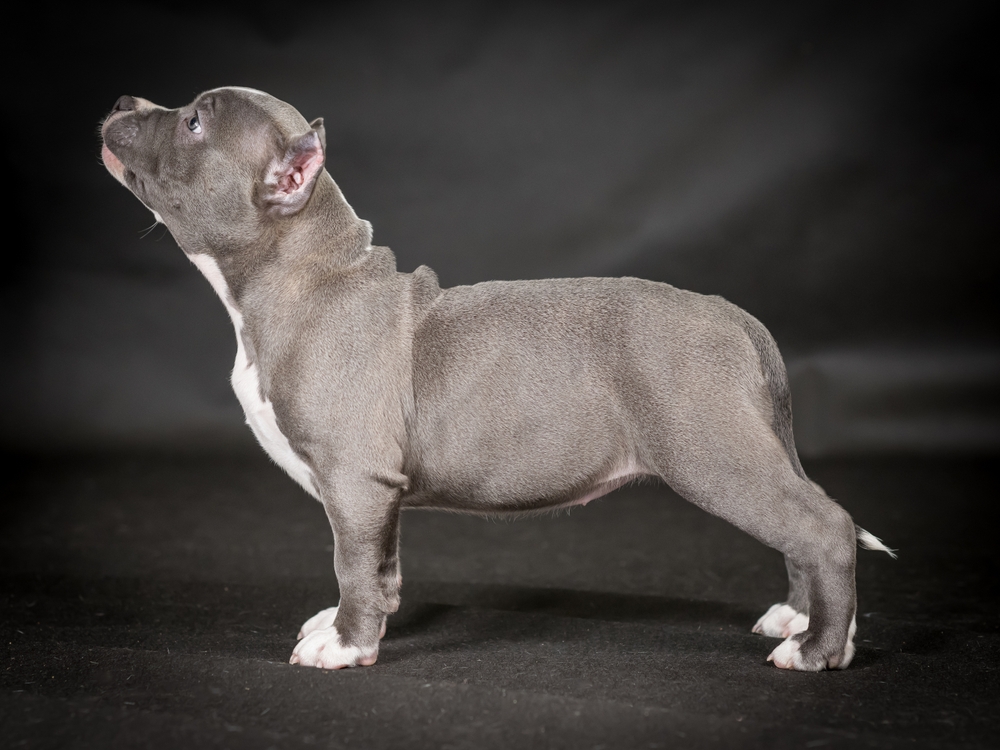
The American Bully is a breed defined by balance, structure, and temperament. While appearance often attracts attention first, the true identity of the breed lies in its breed standard—a set of physical and behavioral guidelines that responsible breeders follow to maintain consistency and health.
Understanding the American Bully breed standard helps enthusiasts, owners, and breeders recognize the structural qualities that define a well-balanced dog.
The standard focuses on several key areas:
- head structure
- chest and body proportions
- bone density
- height classifications
- movement and overall balance
These elements work together to create the distinctive look and function of the American Bully.
Understanding the Purpose of the Breed Standard
Breed standards exist to preserve consistency. Without them, a breed can quickly lose its defining characteristics.
The American Bully was developed as a companion-focused breed with a confident temperament and strong physical presence. The standard reflects this goal by emphasizing both structure and stability.
To understand how the breed evolved into its modern form, read:
👉 The History of the American Bully Breed
The breed’s development plays a major role in how the standard is interpreted today.
Head Structure
The head is one of the most recognizable features of the American Bully.
According to the breed standard, the head should be:
- large and broad
- proportionate to the body
- well-defined with strong cheek muscles
The skull should appear powerful without looking exaggerated. A correct head structure contributes to the overall presence of the dog while maintaining balance with the body.
Key elements include:
- pronounced stop
- strong jaw structure
- well-developed cheeks
- balanced muzzle length
The head should project strength while still maintaining a clean, symmetrical appearance.
Chest and Body Structure
The American Bully’s chest is another defining structural feature.
A correct chest should be:
- wide and deep
- well-muscled
- proportionate to the overall frame
The body should appear compact and powerful without appearing heavy or overbuilt.
Key structural characteristics include:
- broad shoulders
- strong rib cage
- level topline
- balanced proportions from front to rear
Proper chest development contributes to the powerful appearance that the American Bully is known for.
For owners interested in maintaining healthy structure through proper care, see:
👉 Dog Health & Wellness Fundamentals
Bone Density and Frame
Bone density plays a significant role in the overall structure of the American Bully.
The breed standard emphasizes:
- heavy bone structure
- strong limbs
- balanced muscular development
The legs should appear sturdy and capable of supporting the dog’s muscular frame.
However, the structure should still allow for athletic movement and balance, avoiding exaggerated proportions that could affect mobility.
Responsible breeding programs prioritize structural integrity to ensure the dog remains both visually impressive and physically sound.
Height Classifications
The American Bully breed includes several recognized size classifications.
These include:
- Micro
- Standard
- XL
While the body proportions remain consistent across categories, height ranges differ between classifications.
Each size class maintains the same structural expectations—balanced body proportions, strong bone, and confident posture.
To explore how these classifications compare, see:
👉 American Bully Size Guide: Micro, Pocket, Standard & XL
Movement and Gait
Movement is one of the most important indicators of correct structure.
A properly built American Bully should move with:
- confidence
- smooth gait
- balanced stride
The dog’s movement should appear effortless and coordinated.
Key characteristics of proper movement include:
- level topline while walking
- balanced front and rear stride
- strong drive from the hindquarters
Movement reveals whether a dog’s structure is balanced and functional.
Dogs with correct proportions and bone density typically demonstrate the most natural movement.
Balance and Proportion
One of the most important concepts in the American Bully breed standard is balance.
Every structural element must work together.
A well-structured American Bully should appear:
- powerful without exaggeration
- muscular without losing mobility
- compact while remaining proportionate
When these characteristics align, the dog displays the distinctive presence that the breed is known for.
The Role of Responsible Breeding
Breed standards guide responsible breeding programs by establishing clear expectations for structure and temperament.
Responsible breeders focus on:
- structural consistency
- temperament stability
- healthy movement
- balanced development
The goal is not simply to produce impressive-looking dogs but to maintain the integrity of the breed.
For insight into how responsible programs prioritize early development and family integration, see:
👉 Raising a Confident Family Dog in a Busy Household
Final Thoughts
The American Bully breed standard is designed to preserve the balance, strength, and temperament that define the breed.
From the broad head structure to the powerful chest and confident movement, every element contributes to the overall identity of the American Bully.
Understanding these structural principles helps owners and enthusiasts recognize responsible breeding practices and appreciate the unique qualities of the breed.
When structure, temperament, and balance come together, the American Bully becomes the confident companion it was originally developed to be.
💬
“Not all American Bullies are bred the same. See what proper structure, pedigree, and responsible breeding look like in real-world examples.”

View Real Micro Bully Examples
Navigation Footer
American Bully Breed Education
The American Bully Breed Standard Explained
The History of the American Bully Breed
American Bully Bloodlines Explained
American Bully Comparisons
American Bully Size Guide: Micro, Pocket, Standard & XL
Micro vs Pocket Bully Differences