The Role of Genetics in American Bully Breeding: Understanding Bloodlines
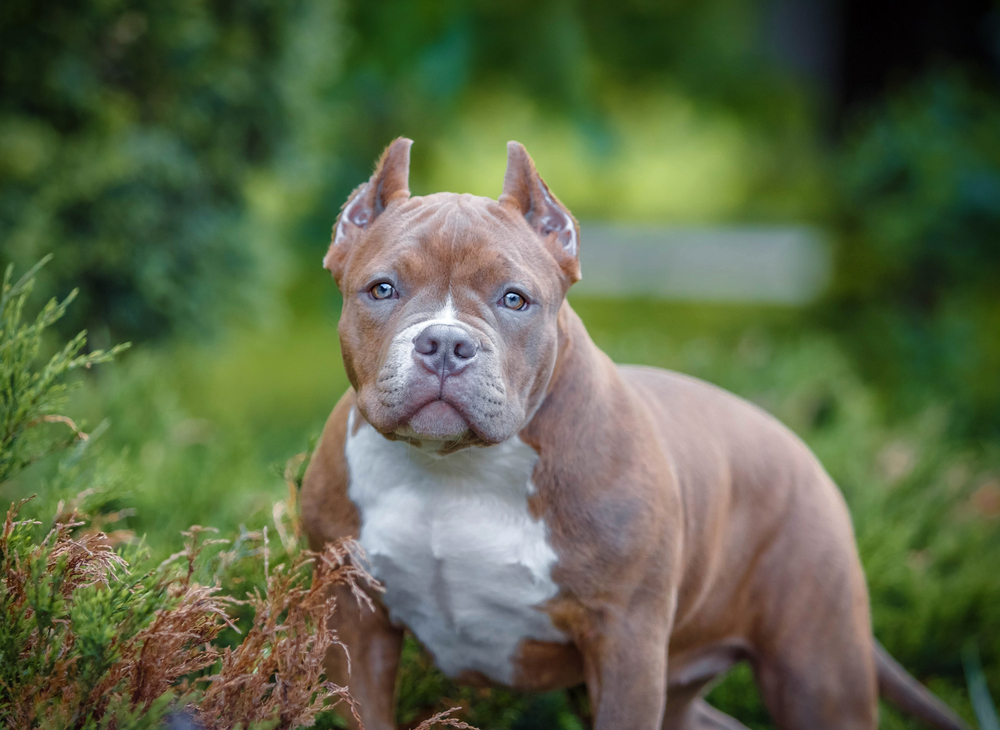
Genetics play a fundamental role in shaping the American Bully breed. While many people focus on the visual power and muscular structure of the breed, the real foundation lies in carefully managed bloodlines and responsible breeding practices.
Understanding how genetics influence the American Bully helps owners, enthusiasts, and breeders appreciate how structure, temperament, and consistency are preserved across generations.
Bloodlines represent more than ancestry—they reflect decades of selective breeding designed to maintain the defining characteristics of the breed.
Why Genetics Matter in the American Bully Breed
Genetics influence many of the traits that define the American Bully, including:
body structure
bone density
head proportions
movement and balance
temperament stability
These characteristics are inherited through genetic patterns passed from parent dogs to their offspring.
Responsible breeders study these patterns carefully to maintain consistency while protecting the long-term health of the breed.
For a deeper understanding of how these traits relate to the structural expectations of the breed, see:
👉 The American Bully Breed Standard Explained
(The American Bully Breed – Breed Standard Pillar Article)
What Are American Bully Bloodlines?
A bloodline refers to a lineage of dogs that share common ancestry and consistent traits.
Within the American Bully community, certain bloodlines become recognized for producing specific characteristics such as:
strong head structure
wide chest development
heavy bone density
predictable temperament
These traits develop through generations of careful selection.
To learn how breeders evaluate and interpret bloodlines, see:
👉 American Bully Bloodlines Explained: What They Actually Mean
(The American Bully Breed – Bloodline Article)
Understanding Pedigrees in the American Bully
Pedigrees are a critical tool for breeders who study genetic inheritance.
A pedigree chart displays several generations of a dog’s ancestry and helps breeders identify patterns in:
structure
temperament
health history
lineage consistency
Pedigree analysis helps breeders predict how certain traits may appear in future generations.
For a deeper look at how pedigrees are interpreted, see:
👉 Understanding American Bully Pedigrees
(The American Bully Breed – Pedigree Article)
Line Breeding and Trait Reinforcement
One breeding strategy used by experienced breeders is line breeding.
Line breeding involves pairing dogs that share a common ancestor in order to reinforce desirable traits within a bloodline.
This method can strengthen characteristics such as:
head proportions
bone density
chest structure
temperament stability
However, line breeding requires deep knowledge of genetics and pedigree history.
When done improperly, it can increase the risk of inherited health problems.
For a full explanation of how breeders use this technique responsibly, see:
👉 Line Breeding vs Outcrossing in the American Bully
(The American Bully Breed – Line Breeding Article)
Genetics and Structural Development
Genetics also influence how physical structure develops across generations.
Structural traits commonly influenced by genetics include:
skull width and muzzle shape
chest depth and rib structure
bone density
overall body proportions
These traits work together to produce the powerful yet balanced appearance associated with the American Bully.
For a deeper breakdown of structural inheritance, see:
👉 How Genetics Influence American Bully Structure
(The American Bully Breed – Structure Genetics Article)
The Importance of Genetic Diversity
While maintaining strong bloodlines is important, responsible breeding also requires attention to genetic diversity.
Introducing compatible bloodlines can help reduce the risk of inherited health issues while preserving the defining traits of the breed.
Responsible breeders often evaluate:
pedigree compatibility
structural balance
temperament reliability
long-term health patterns
Maintaining genetic diversity ensures the breed remains healthy and sustainable for future generations.
To learn how breeders balance consistency with diversity, see:
👉 The Importance of Genetic Diversity in the American Bully
(The American Bully Breed – Genetics Article)
Temperament and Genetic Influence
Genetics influence more than physical structure—they also affect temperament.
The American Bully was developed as a companion-focused breed known for its confident yet stable personality.
Maintaining this temperament requires careful genetic selection alongside proper socialization and training.
Environmental factors and structured routines also play a major role in shaping behavior.
For guidance on how routine supports temperament development, see:
👉 The Modern Dog Routine: How Structure Shapes Behavior
(Modern Dog Living – Training Article)
Responsible Breeding and Breed Preservation
The future of the American Bully breed depends on responsible breeding practices that prioritize:
structural balance
genetic stability
temperament consistency
long-term health
When breeders follow these principles, they preserve the qualities that make the American Bully a confident and stable companion.
Genetics are the foundation of that responsibility.
Navigation Footer
American Bully Breed Authority
The American Bully Breed Standard Explained
(The American Bully Breed – Breed Standard Article)
The Role of Genetics in American Bully Breeding
(The American Bully Breed – Current Article)
American Bully Bloodlines Explained
(The American Bully Breed – Bloodline Article)
Understanding American Bully Pedigrees
(The American Bully Breed – Pedigree Article)
Genetics and Breeding Topics
Line Breeding vs Outcrossing in the American Bully
(The American Bully Breed – Line Breeding Article)
How Genetics Influence American Bully Structure
(The American Bully Breed – Structure Genetics Article)
The Importance of Genetic Diversity in the American Bully
(The American Bully Breed – Genetics Diversity Article)
Training and Health Resources
The Modern Dog Routine
(Modern Dog Living – Training Article)
Dog Health and Wellness Fundamentals
(The Complete Dog Guide – Health Guide)