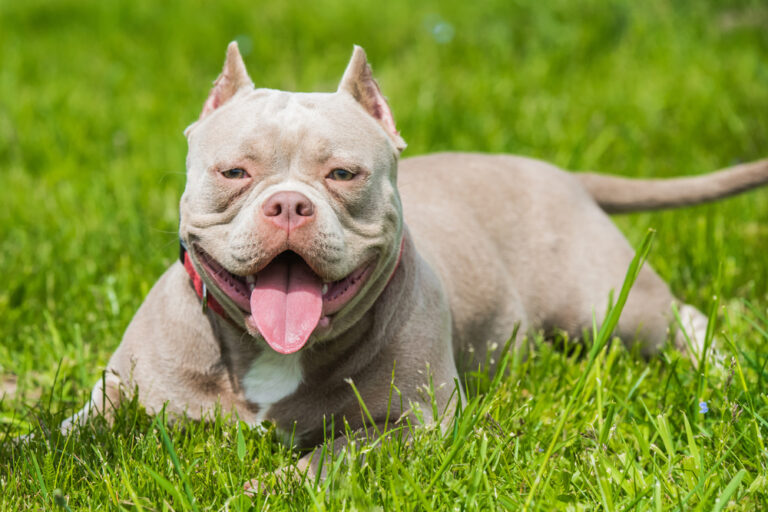

Proper nutrition is one of the most important—and most misunderstood—foundations of American Bully health. Diet directly affects muscle development, joint integrity, energy balance, immune strength, digestion, and long-term longevity.
At The American Bully Breed, we approach nutrition as part of responsible ownership—not trends, marketing claims, or extreme feeding practices. A well-fed American Bully is not simply muscular; they are structurally sound, mentally balanced, and metabolically healthy.
This guide explains how to build a practical, sustainable diet plan for American Bullies at every life stage, with a focus on function over hype.
Why Nutrition Matters More for the American Bully
American Bullies are compact, muscular, and people-oriented. Their structure places unique demands on:
Joints and connective tissue
Lean muscle maintenance
Digestive efficiency
Weight management
Energy regulation
Improper feeding—whether overfeeding, underfeeding, or relying on low-quality ingredients—can contribute to joint stress, obesity, allergies, digestive upset, and behavioral imbalance.
Nutrition should support the dog’s structure, not strain it.
For owners new to the breed, start here:
👉 What Is an American Bully?
Core Nutritional Principles for American Bullies
1. Protein Quality Over Protein Quantity
American Bullies require high-quality animal protein, not excessive protein levels.
Look for:
Named animal proteins (chicken, beef, turkey, fish)
Balanced amino acid profiles
Moderate protein percentages appropriate for life stage
Avoid:
Generic meat meals or by-products
Protein sources listed vaguely as “animal protein”
Diets that prioritize protein percentage over digestibility
High-quality protein supports muscle maintenance, tissue repair, immune health, and stable energy. Poor-quality protein, even in high amounts, often leads to digestive stress, loose stool, skin irritation, and inefficient muscle development.
For American Bullies, digestibility matters more than raw numbers. A moderately high protein diet made from clean, named animal sources will outperform an ultra-high-protein formula built on low-quality fillers every time.
Protein requirements should also align with life stage:
Puppies need balanced protein to support growth without stressing developing joints
Adults benefit from steady protein intake to maintain muscle and condition
Seniors often require slightly reduced but highly digestible protein to preserve lean mass
Protein should support structure—not overwhelm it.
2. Fat as an Energy Source (Not a Filler)
Fat is often misunderstood in dog nutrition. For American Bullies, healthy fats are essential, but excess or low-quality fats can quickly lead to weight gain and inflammation.
What Healthy Fats Do
Proper fat intake supports:
Sustained energy levels
Skin and coat health
Hormone regulation
Absorption of fat-soluble vitamins (A, D, E, K)
Preferred Fat Sources
Look for diets that include:
Chicken fat
Salmon oil or fish oil
Beef fat (in moderation)
Flaxseed or chia seed (as secondary sources)
These fats provide omega-3 and omega-6 fatty acids that help manage inflammation, support joint mobility, and promote healthy skin and coat condition. When balanced correctly, they contribute to endurance without excess weight gain.
Omega balance is critical. Diets that are too heavy in omega-6 fats without sufficient omega-3s can promote inflammation rather than reduce it. This imbalance is often seen in low-quality foods that rely heavily on vegetable oils or unnamed animal fats.
Quality matters as much as quantity.
Fat content should be appropriate for the dog’s size, activity level, and life stage:
Active American Bullies benefit from moderate fat levels that support sustained energy
Companion Bullies require controlled fat intake to prevent unnecessary weight gain
Growing puppies need carefully balanced fats to support development without stressing joints
Fats to Limit or Avoid
Not all fats support health. Some contribute to inflammation, digestive upset, or obesity when used improperly.
Avoid or limit foods containing:
Unnamed animal fats (“animal fat,” “poultry fat”)
Excessive vegetable oils (corn oil, soybean oil)
Highly processed or oxidized fats
Diets where fat is used primarily to boost palatability rather than nutrition
Low-quality fats are often used as fillers to make poor diets more appealing, but they offer little long-term benefit and can undermine overall health.
Fat Should Fuel, Not Inflate
For American Bullies, fat should serve a functional purpose, not act as empty calories. Proper fat levels:
Support muscle performance without promoting excess weight
Protect joints by reducing systemic inflammation
Improve nutrient absorption and overall vitality
When fat intake exceeds a dog’s actual energy needs, it quickly converts to stored weight—placing unnecessary stress on joints, structure, and cardiovascular health.
A well-formulated diet uses fat to power the dog, not weigh it down.
3. Carbohydrates: Fuel, Not Fillers
Carbohydrates are not the enemy—but poor-quality carbohydrates are. For American Bullies, carbs should serve a functional role: providing steady energy and supporting digestion, not inflating calorie counts.
The Role of Carbohydrates in an American Bully Diet
When properly selected, carbohydrates help:
Stabilize energy levels
Support gut health
Aid nutrient absorption
Prevent rapid blood sugar spikes
However, excessive or low-quality carbs can contribute to:
Weight gain
Digestive upset
Inflammation
Energy crashes
Better Carbohydrate Choices
High-quality diets often include:
Sweet potatoes
Brown rice
Oats
Pumpkin
Lentils (in controlled amounts)
These options digest more slowly and provide fiber, vitamins, and minerals that support metabolic balance.
Ingredients to Limit or Avoid
Be cautious of diets dominated by:
Corn
Wheat
Soy
White rice as a primary ingredient
Unnamed grain by-products
These ingredients often act as fillers rather than nutritional contributors and may aggravate sensitivities in some Bullies.
Portion Balance Matters
Even quality carbohydrates must be balanced correctly. American Bullies are prone to carrying excess weight if calorie intake exceeds activity level.
Nutrition should always be matched to:
Age
Activity level
Body condition
Structural build
For guidance on balancing nutrition with physical output, review:
👉 American Bully Exercise & Activity Needs4. Feeding by Life Stage: Puppy, Adult, and Senior
An American Bully’s nutritional needs change significantly over time. Feeding the correct formula at each life stage supports healthy growth, structural integrity, and long-term wellbeing.
American Bully Puppies (8 weeks–12 months)
Puppy nutrition lays the foundation for everything that follows. During this stage, the goal is controlled growth, not rapid size gain.
Key priorities for puppies include:
Moderate protein to support muscle development without overloading joints
Proper calcium-to-phosphorus ratios for skeletal health
DHA and omega-3s for brain and nervous system development
Smaller, more frequent meals to support digestion
Avoid overfeeding. Excess calories during growth can contribute to joint stress and structural imbalance.
For early structure, routine, and expectations, see:
👉 Preparing for an American Bully in Your HomeAdult American Bullies (12 months–7 years)
Adult Bullies require nutrition that supports:
Lean muscle maintenance
Joint health
Stable energy levels
Healthy body condition
At this stage, food intake should align closely with activity level, not appearance. Heavily muscled dogs do not automatically require excessive calories.
Monitoring body condition regularly is essential. A healthy American Bully should feel solid, not soft, with visible muscle definition and no excess fat padding.
For activity alignment, review:
👉 American Bully Exercise & Activity NeedsSenior American Bullies (7+ years)
As Bullies age, metabolism slows and joint care becomes a priority.
Senior-focused nutrition should emphasize:
Slightly reduced calories
Increased joint-support ingredients (glucosamine, chondroitin)
Easily digestible proteins
Anti-inflammatory fats
Feeding schedules may also shift to smaller, more frequent meals to support digestion and comfort.
5. Supplements: Helpful Tools, Not Magic Solutions
Supplements can support an American Bully’s health, but they should never replace a balanced diet.
Commonly Beneficial Supplements
When appropriate, supplements may include:
Fish oil for skin, coat, and inflammation support
Joint supplements for active or aging dogs
Probiotics for digestive balance
Vitamin E to support immune health
Always introduce supplements gradually and only when there is a clear purpose. More is not better. Over-supplementation can disrupt nutrient balance, stress organs, or create deficiencies by interfering with absorption.
When Supplements Are Most Appropriate
Supplements tend to be most beneficial during specific situations, such as:
Growth phases, when joint and bone support may be needed
High-activity periods, where inflammation management supports recovery
Senior years, when mobility, digestion, and immune function may decline
Identified deficiencies, confirmed by veterinary guidance
For healthy adult American Bullies eating a complete, high-quality diet, supplements may offer minimal benefit unless a specific need exists.
Avoid Supplement Stacking Without Guidance
One of the most common mistakes owners make is stacking multiple supplements with overlapping ingredients. This can unintentionally lead to:
Excess fat-soluble vitamins (A, D, E, K)
Imbalanced calcium-to-phosphorus ratios
Digestive upset or appetite changes
Increased strain on the liver and kidneys
Before adding multiple supplements, review ingredient labels carefully and consult a veterinarian or canine nutrition professional.
Supplements Do Not Fix Poor Diets
No supplement can compensate for a diet built on low-quality ingredients or improper nutrient ratios. Supplements are meant to enhance an already solid nutritional foundation, not correct fundamental flaws.
If a dog requires multiple supplements just to maintain basic health, the underlying diet should be reassessed first.
Choose Quality Over Hype
Not all supplements are created equal. The supplement market is largely unregulated, and many products rely on marketing claims rather than proven formulation.
When selecting supplements for an American Bully, look for:
Clear ingredient lists with transparent dosing
Products formulated specifically for dogs (not human-grade repurposing)
Third-party testing or quality certifications when available
Brands that disclose sourcing and manufacturing standards
Avoid supplements that promise extreme results, rapid transformations, or “miracle” outcomes. Health is built through consistency and balance, not shortcuts.
Work With the Whole Picture in Mind
Supplement decisions should always consider the dog’s entire lifestyle, including:
Diet quality
Activity level
Age and growth stage
Body condition and structure
Existing health considerations
A supplement that benefits one American Bully may be unnecessary—or even harmful—for another. Individual needs matter more than trends.
Responsible Supplement Use Supports Long-Term Health
When used appropriately, supplements can support comfort, recovery, and longevity. When misused, they introduce imbalance and risk.
The goal is not to add more—but to add only what serves a clear purpose.
A well-fed American Bully with proper nutrition, exercise, and care will always benefit more from sound fundamentals than from excessive supplementation.
Always consult with a veterinarian before adding supplements, especially for puppies. Over-supplementation—particularly calcium—can be harmful during growth phases.
Supplements should be viewed as supporting tools, not shortcuts to structure or muscle.
6. Raw, Kibble, or Hybrid Diets: What Works Best?
There is no single “perfect” diet for every American Bully. The best choice depends on the dog’s age, activity level, digestive tolerance, and owner consistency.
High-Quality Kibble
Premium kibble remains a reliable option when it is:
Formulated for medium-to-large breeds
Free of artificial fillers and dyes
Built around named animal proteins
Kibble offers consistency, convenience, and balanced nutrition when chosen carefully.
Raw Feeding (With Caution)
Raw diets can be effective when properly formulated, but they require education and discipline.
Potential benefits include:
Improved coat condition
Smaller stool volume
High palatability
Risks arise when raw diets are unbalanced, improperly handled, or fed without professional guidance. Raw feeding is not recommended for inexperienced owners without education.
Hybrid Feeding
Many owners find success with a hybrid approach:
High-quality kibble as the base
Fresh foods added strategically (lean meats, fish, vegetables)
This method offers balance, flexibility, and nutritional diversity while maintaining structure.
For owners aligning diet with lifestyle, explore:
👉 Modern Dog Living: Nutrition & Daily Balance7. Feeding Schedules and Portion Control
How and when you feed matters just as much as what you feed.
Recommended Feeding Schedule
Puppies: 3 meals per day
Adults: 2 meals per day
Seniors: 2 smaller meals or vet-guided schedule
Free-feeding is discouraged. Scheduled meals support digestion, training consistency, and weight management.
Portion Awareness
Avoid feeding based on:
Bowl size
Dog’s appetite alone
Visual “bulk”
Instead, monitor:
Waist definition
Rib feel (should be felt, not seen)
Energy level and mobility
Proper nutrition produces athletic condition, not excess mass.
8. Foods to Avoid
Certain foods pose unnecessary risks to American Bullies and should be avoided entirely.
These include:
Chocolate
Grapes and raisins
Onions and garlic
Cooked bones
Excessive fatty table scraps
Highly processed human foods
Even small amounts can cause digestive upset or toxicity.
9. Nutrition and Temperament: The Hidden Connection
Diet impacts more than the body—it influences behavior.
Poor nutrition can contribute to:
Hyperactivity
Digestive discomfort
Inconsistent energy levels
Irritability
Balanced nutrition supports calm focus, which reinforces training and emotional stability.
For behavior alignment, see:
👉 American Bully Temperament & PersonalityFinal Thoughts: Nutrition as a Long-Term Commitment
Feeding an American Bully is not about chasing trends, extreme bulking, or quick visual results. It is about supporting structure, movement, longevity, and mental balance.
A well-fed American Bully should be:
Strong without being overweight
Energetic without being frantic
Muscular without sacrificing mobility
When nutrition aligns with structure, training, and lifestyle, the result is a dog that thrives—not just looks impressive.
📘 Continue Learning About Responsible American Bully Care
→ What Is an American Bully?
→ Preparing for an American Bully in Your Home
→ American Bully Training Fundamentals
→ American Bully Exercise & Activity Needs
→ Ethical American Bully Breeding Practices