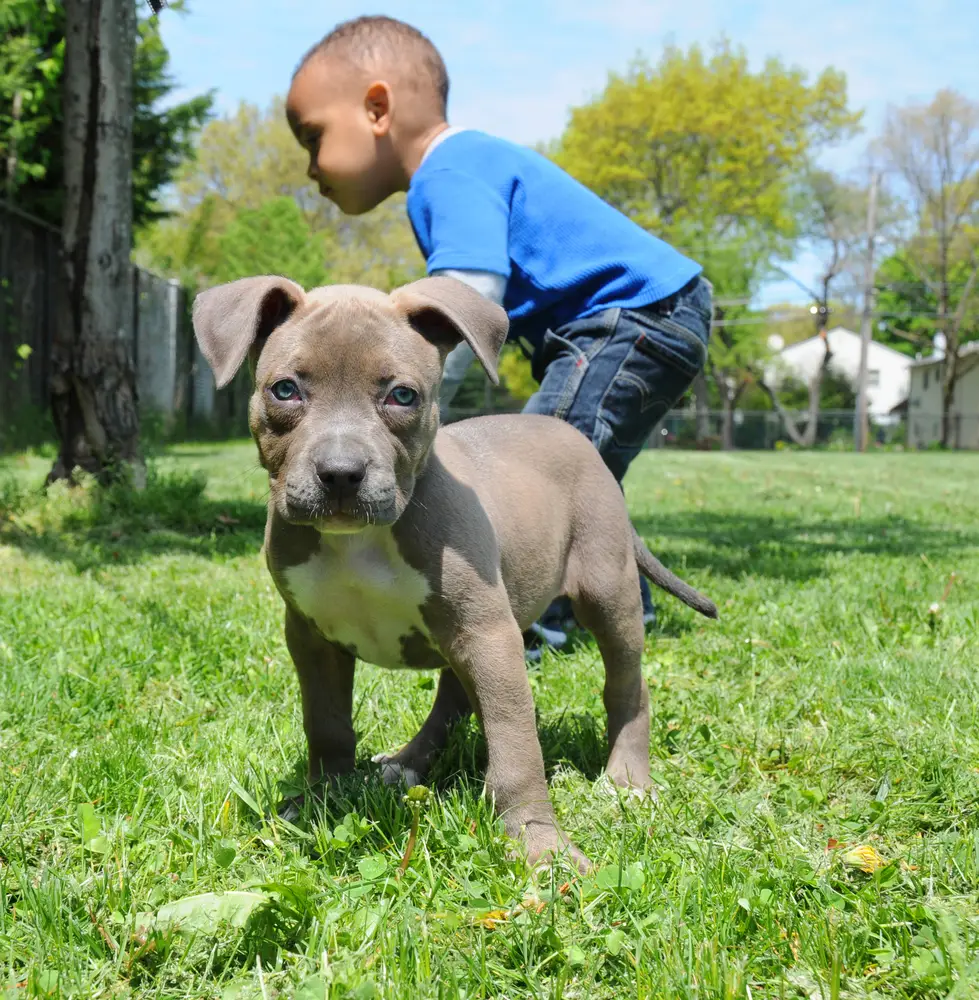
Socialization is one of the most important responsibilities of American Bully ownership. While the breed is known for its loyalty, stability, and people-oriented temperament, those qualities do not develop automatically. They are shaped through early, intentional exposure to the world.
Proper socialization helps an American Bully puppy grow into a confident, calm, and emotionally balanced adult. Poor or delayed socialization, on the other hand, can lead to fear-based behaviors, reactivity, or unnecessary guarding—issues often misunderstood as “breed traits” but most commonly caused by environmental gaps.
This guide explains what socialization truly means, when it should happen, how to do it safely, and why it is essential for the long-term wellbeing of the American Bully.
What Socialization Really Means
Socialization is not about overwhelming a puppy with constant interaction. It is the process of teaching a dog how to interpret the world calmly and confidently.
Effective American Bully socialization includes controlled exposure to:
- Different types of people
- Other dogs and animals
- Sounds, surfaces, and environments
- Handling, grooming, and restraint
- New situations without fear or pressure
The goal is not excitement—it is neutral confidence.
For a broader foundation on preparing your environment and routines, see:
👉 Preparing for an American Bully in Your Home
The Critical Socialization Window
American Bully puppies experience a sensitive developmental period between approximately 3 and 14 weeks of age. During this time, the brain is especially receptive to new experiences.
Positive exposure during this window:
- Builds emotional resilience
- Reduces fear responses later in life
- Shapes long-term temperament stability
Responsible breeders begin early handling and mild exposure before puppies leave the litter. Owners then carry that foundation forward once the puppy comes home.
This early planning is part of responsible ownership, explored further in:
👉 Understanding Responsible American Bully Breeding
Early Socialization: What Should Happen First
1️⃣ Human Interaction
American Bully puppies should be gently introduced to people of different:
- Ages
- Genders
- Appearances (hats, glasses, coats)
- Voices and movement styles
Each interaction should remain calm and positive. Forced handling or excessive excitement should always be avoided.
This process supports long-term temperament stability, discussed in:
👉 American Bully Temperament & Behavior
2️⃣ Handling & Touch Tolerance
Daily gentle handling builds trust and prevents stress during:
- Veterinary visits
- Grooming sessions
- Nail trimming
- Collar or harness use
Touch paws, ears, mouth, and body briefly, rewarding calm behavior and stopping before discomfort appears.
Handling tolerance also supports future training success. Learn more in:
👉 American Bully Training Fundamentals
3️⃣ Environmental Exposure
Puppies should gradually experience:
- Different floor textures
- Doorways and stairs
- Household noises
- Car rides
- Outdoor environments
Exposure should be slow, controlled, and paired with reassurance. Fear responses should never be punished.
Environmental confidence plays a major role in long-term behavior and adaptability.
Socializing With Other Dogs
American Bully puppies benefit most from interaction with stable, well-mannered dogs, not chaotic or dominant animals.
Best practices include:
- One-on-one introductions
- Supervised play
- Avoiding dog parks during early development
- Watching for overstimulation
Quality interactions matter far more than quantity.
Breed-Specific Considerations for American Bullies
Because American Bullies often receive strong reactions from the public due to their appearance, early exposure to neutral and positive human responses is essential.
Proper socialization helps prevent:
- Unnecessary alertness
- Defensive posturing
- Misinterpreting unfamiliar attention as threat
Well-socialized Bullies are calm, confident, and emotionally steady in public spaces.
Common Socialization Mistakes to Avoid
- Waiting until after all vaccinations before any exposure
- Overloading puppies with too much novelty at once
- Punishing fear responses instead of building confidence
- Inconsistent routines between handlers
- Assuming temperament will “self-correct” with age
Socialization is proactive—not reactive.
How Socialization Supports Training
Socialization and training are deeply connected. Calm exposure strengthens:
- Leash skills
- Obedience work
- Impulse control
- Focus and engagement
Dogs that feel safe and confident learn faster and retain skills more reliably.
This relationship is expanded in:
👉 American Bully Training Fundamentals
Ongoing Socialization Beyond Puppyhood
Socialization does not end at 16 weeks—it evolves.
Adult American Bullies benefit from:
- Continued exposure to new environments
- Reinforcing calm responses
- Practicing skills in varied settings
- Maintaining routine and structure
Confidence is maintained through consistency.
Why Socialization Protects the Breed
Responsible socialization protects not only individual dogs but the reputation of the American Bully breed as a whole.
Well-socialized Bullies demonstrate:
- Stable temperament
- Predictable behavior
- Strong human bonds
- Safe family companionship
Education and preparation preserve the breed’s future.
Final Thoughts
Socialization is one of the most powerful tools an American Bully owner has. When done thoughtfully, it creates a dog that is confident, balanced, and adaptable across environments and life stages.
A well-socialized American Bully reflects responsible ownership, ethical breeding, and intentional care.
💬
“Not all American Bullies are bred the same. See what proper structure, pedigree, and responsible breeding look like in real-world examples.”

View Real Micro Bully Examples
📘 Continue Exploring American Bully Ownership
Build a strong foundation through our essential guides:
→ What Is an American Bully?
→ Understanding Responsible American Bully Breeding
→ Preparing for an American Bully in Your Home
→ American Bully Training Fundamentals
→ American Bully Temperament & Behavior