American Bullies are known for their confident presence, muscular build, and people-focused temperament. While structure and temperament are shaped through genetics and training, long-term health depends on informed care decisions made throughout a dog’s life.
Responsible ownership means understanding the breed’s physical needs, common health considerations, and daily care requirements. This guide provides a comprehensive overview of American Bully health and care so owners can support longevity, comfort, and quality of life.
For readers new to the breed, start with:
👉 What Is an American Bully?
Understanding the American Bully’s Physical Build
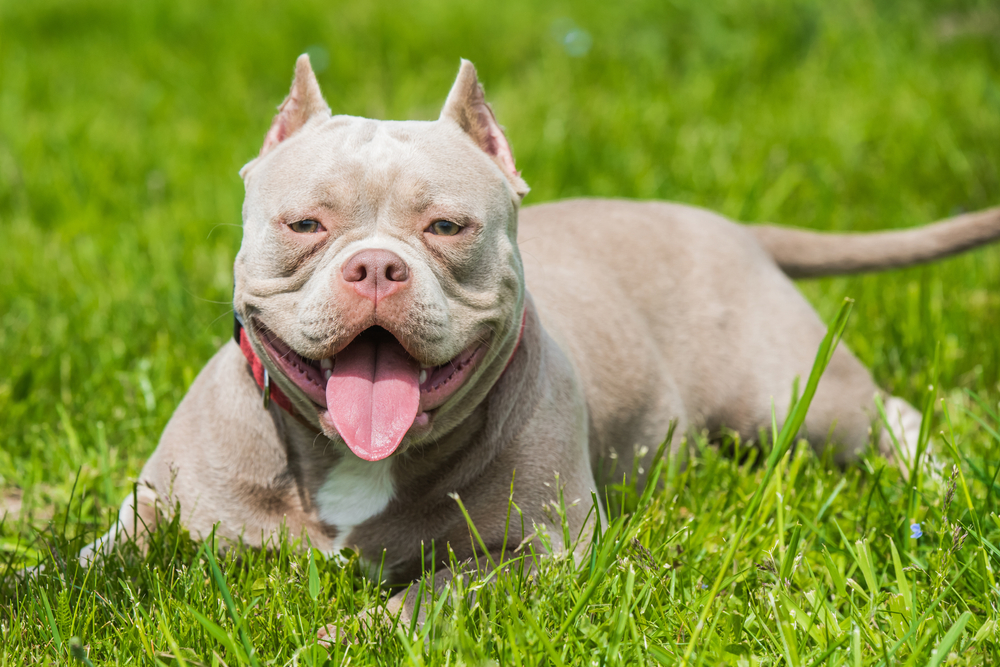
American Bullies are compact, muscular dogs with substantial bone density and broad frames. Their structure contributes to strength and stability but also requires thoughtful care to prevent strain and imbalance.
Key physical traits that influence care include:
- Heavy muscle mass
- Broad chest and shoulders
- Compact frame
- Short to moderate muzzle (depending on type)
Supporting this build means prioritizing joint health, weight management, and controlled activity.
For temperament considerations that influence handling and care, see:
👉 American Bully Temperament & Personality
Nutrition and Weight Management
Proper nutrition is foundational to American Bully health. Because the breed builds muscle easily, excess calories can quickly lead to unnecessary weight gain, increasing stress on joints and connective tissue.
Nutrition best practices:
- Feed a high-quality, balanced diet appropriate for age and activity level
- Avoid overfeeding during growth stages
- Monitor body condition rather than feeding strictly by volume
- Adjust intake as activity levels change
Healthy American Bullies should appear muscular but not bulky, with visible waist definition and easy movement.
Joint and Structural Health
Joint health is one of the most important care considerations for the breed. American Bullies benefit from proactive joint support starting in puppyhood.
Key joint care strategies:
- Maintain a healthy body weight
- Avoid excessive jumping during growth
- Introduce exercise gradually
- Provide non-slip flooring at home
- Consider veterinarian-approved joint supplements when appropriate
Responsible breeding also plays a major role in reducing joint-related issues.
For insight into ethical breeding practices, see:
👉 Ethical American Bully Breeding Practices
Exercise and Activity Balance
American Bullies are athletic but do not require extreme endurance activity. Balanced, moderate exercise supports muscle tone without overloading joints.
Ideal activities include:
- Structured walks
- Controlled play sessions
- Light strength-building movement
- Mental enrichment activities
Avoid excessive high-impact exercise, especially during growth phases.
For foundational activity guidance, explore:
👉 American Bully Training Fundamentals
Skin, Coat, and Grooming Care
American Bullies have short coats that are easy to maintain but sensitive skin can be an issue for some individuals.
Grooming basics:
- Weekly brushing to remove loose hair
- Regular ear cleaning
- Nail trimming to maintain proper posture
- Occasional bathing with gentle products
Skin irritation is often linked to diet, environment, or improper grooming products rather than coat length alone.
Common Health Considerations
Like all breeds, American Bullies may be predisposed to certain health concerns. Awareness does not imply inevitability—it allows owners to take preventative, informed steps throughout the dog’s life.
Commonly monitored areas include:
- Joint concerns such as hip or elbow issues, particularly in dogs carrying excess weight
- Skin sensitivities or allergies, often influenced by diet or environmental factors
- Respiratory efficiency, especially in dogs with shorter muzzles
- Heart and structural balance, which benefit from responsible breeding and ongoing veterinary care
Regular veterinary checkups, early screening when recommended, and proactive lifestyle management significantly reduce the impact of many issues.
For owners preparing for a puppy, early prevention starts before arrival:
👉 Preparing for an American Bully in Your Home
Veterinary Care and Preventative Planning
Establishing a veterinary relationship early supports long-term health and behavioral stability. American Bullies benefit from veterinarians familiar with muscular, bully-type breeds.
Preventative care includes:
- Routine wellness exams
- Age-appropriate vaccinations
- Parasite prevention
- Dental health monitoring
- Early discussion of nutrition and weight management
Preventative care is not reactive—it is an investment in quality of life.
Puppy Health Foundations
Health care begins well before adulthood. The puppy stage sets physical and behavioral patterns that influence the dog’s entire life.
Key puppy-care priorities include:
- Gradual, age-appropriate activity
- Structured feeding schedules
- Gentle handling to support vet and grooming tolerance
- Monitoring growth rate rather than pushing size
Early care works best when paired with structured social development.
For guidance on early exposure and emotional balance, see:
👉 Socializing Your American Bully Puppy
Mental Health and Emotional Wellbeing
Health is not purely physical. Emotional stability plays a major role in long-term wellbeing for American Bullies, who are highly people-oriented dogs.
Emotional health is supported by:
- Predictable routines
- Calm, consistent leadership
- Balanced training approaches
- Appropriate stimulation without overwhelm
Dogs raised with clarity and structure tend to experience lower stress and fewer behavior-related health issues.
Aging Gracefully: Senior American Bully Care
As American Bullies mature, care priorities shift toward comfort and maintenance.
Senior-focused care includes:
- Adjusted exercise routines
- Joint-supportive nutrition
- More frequent veterinary monitoring
- Comfortable resting areas
- Ongoing mental engagement
Thoughtful senior care allows American Bullies to remain confident and comfortable well into later life.
Health, Care, and Responsible Ownership
American Bully health is the result of education, preparation, and consistency. Responsible owners do not wait for problems to appear—they create environments that reduce risk and support balance.
Health, training, structure, and socialization are interconnected. When one is neglected, others are affected.
For a deeper understanding of how care decisions shape behavior and stability, continue with:
👉 American Bully Training Fundamentals
Final Thoughts
American Bullies thrive when their physical power is matched with informed care and calm leadership. A well-cared-for American Bully is not only impressive in appearance—but balanced, adaptable, and resilient.
Education is the most powerful health tool an owner can have.
💬
“Not all American Bullies are bred the same. See what proper structure, pedigree, and responsible breeding look like in real-world examples.”

View Real Micro Bully Examples
📘 Continue Learning About the American Bully
→ What Is an American Bully?
→ American Bully Temperament & Personality
→ Preparing for an American Bully in Your Home
→ American Bully Training Fundamentals
→ Socializing Your American Bully Puppy
→ Ethical American Bully Breeding Practices